Chapter 16: Ceremonial Speaking

We often want certain ideas and our points to come across when giving a speech because they are important to us, this is called magnification. Magnification is defined as “when speakers select and emphasize certain qualities of a subject to stress the virtues and values they represent” (Turner, Osborn, Osborn, & Osborn, 2018). An example of magnification could be resisting a speech for a close friend or family member at their wedding. In the speech, there will be ceremonial moments highlighted about the couples achievements or fun moments they had because they hold value. There will be descriptive and creative language used as well so the audience can imagine the event and better connect to the value that these memories hold.

Turner, K. J., Osborn, R., Osborn, M., & Osborn, S. (2018). Public speaking: Finding your voice. Hoboken, NJ: Pearson.

Picture: https://www.affordablevideomagnifiers.com/video-magnifier-variable-magnification/
Chapter 15: Building Persuasive Arguments

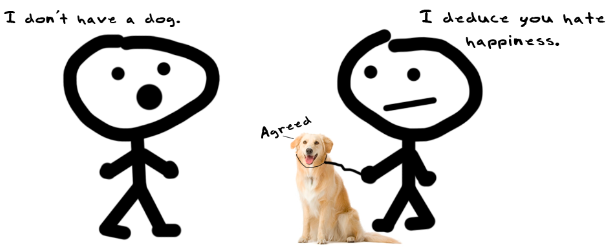
Almost all of us use deductive reasoning to come to certain conclusions because we tend to use known and accepted beliefs to come to this conclusion. Deductive reasoning is defined as “arguing from a general principle to a specific conclusion” (Turner, Osborn, Osborn, & Osborn, 2018). An example of deductive reasoning would be “Red meat has iron in it, beef is a type of red meat, therefore it has iron in it”. Someone can make a claim or a topic about this and say that “women who suffer from low iron should eat more red meat because it is iron in it”.

Turner, K. J., Osborn, R., Osborn, M., & Osborn, S. (2018). Public speaking: Finding your voice. Hoboken, NJ: Pearson.

Picture: http://www.punchdebtintheface.com/deductive-reasoning-title-kinda-clever/

Chapter 14: Persuasive Speaking

As I was reading the chapter, a term that interested me was the boomerang. effect. A boomerang effect is defined as “a negative reaction that occurs when speakers ask for too much persuasive change as a result of a single speech” (Turner, Osborn, Osborn, & Osborn, 2018).  An example of an boomerang effect is if someone is talking about littering and they say ” You must throw out your trash”, people will be more inclined to do opposite because of the negative language. Its almost like you aren’t giving them a choice to do so, even if it is the right thing to do. Someone might be more inclined to do something if the speaker says “Please throw out the trash”. Its all about the language and how your word things.

Turner, K. J., Osborn, R., Osborn, M., & Osborn, S. (2018). Public speaking: Finding your voice. Hoboken, NJ: Pearson.

Picture:http://motivational-tips.com/interesting-facts/boomerang-effect-all-your-deeds-will-eventually-return-to-you/

Chapter 12: Delivering Your Speech

When we speak, we use different variations of pitch. When giving speeches we use these different tones to be expressive. Optimum pitch is defined as “the level at which people can produce their strongest voice with minimal effort and that allows variation up and down the musical scale” (Turner, Osborn, Osborn, & Osborn, 2018). An example of someone using their optimum pitch is former President Barack Obama. When he delivered speeches he would talk in a clear, strong, rich tone that was pleasing to his listeners. He produced a ideal vocal quality which projected onto the audience.

Turner, K. J., Osborn, R., Osborn, M., & Osborn, S. (2018). Public speaking: Finding your voice. Hoboken, NJ: Pearson.

Picture: https://alaya-capital.com/startup-pitch-bootcamp-learn-how-to-pitch-from-top-entrepreneurs/

Chapter 11: Putting Words to Work

Different words and phrases can evoke different feelings and reactions from a audience when delivering a speech. The audience can connect personally and maybe even shed a tear. This is because of connotative meaning. Connotative meaning is defined as “the emotional, subjective, personal meaning that certain words can evoke in listeners” (Turner, Osborn, Osborn, & Osborn, 2018). An example of connotative meaning are those dog commercials where they want you to adopt or send money to dog in need that have been abused by previous owners. They tend to show sad pictures of the dog, play sad music, and the words and phrases they use are often sad and light-spoken. They are trying to emotionally appeal to the audience so they can feel sad and the audience would want to donate to the dog.

Turner, K. J., Osborn, R., Osborn, M., & Osborn, S. (2018). Public speaking: Finding your voice. Hoboken, NJ: Pearson.

Picture: https://hudsonvalleyone.com/2016/11/03/new-paltz-forum-focuses-on-emotional-intelligence/

Chapter 10: Presentation Aids

Presentation aids can help bring together your pictures, videos and text in different slides to help make it more interactive and visually appealing. Computer generation presentations is defined as “the use of commercial presentation software to join audio, visual, textual, graphic, and animated components” (Turner, Osborn, Osborn, & Osborn, 2018). An example of computer generated presentations are PowerPoint, Prezi, and iPad Apps. In these type of presentations you are allowed to have various different slides and animations. Teachers normally use PowerPoints when lecturing and they have various PowerPoints for each chapter or topic they are lecturing about.

01 Turner, K. J., Osborn, R., Osborn, M., & Osborn, S. (2018). Public speaking: Finding your voice. Hoboken, NJ: Pearson.

Picture: https://www.mentimeter.com/powerpoint

Chapter 13: Informative Speaking

When making a speech, essay, or just speaking with a group of friends we tend to talk about things that are relevant so that people can either contribute or understand. Relevance is a term that came to my attention as I was reading the chapter. Relevance is defined as “how a speech relates to an audience’s specific needs, interests, or concerns” (Turner, Osborn, Osborn, & Osborn, 2018). An example of relevance could be presenting a speech or talking to friends about different methods of gardening in a gardening class. You wouldn’t talk about fishing in a gardening class because that is not relevant to the class or their needs. Instead of straying away from the topic, you stay relevant to what the audience is interested in.

Turner, K. J., Osborn, R., Osborn, M., & Osborn, S. (2018). Public speaking: Finding your voice. Hoboken, NJ: Pearson.

Picture: https://www.opencolleges.edu.au/informed/features/how-to-make-learning-relevant/

Chapter 9: Structuring and Outlining Your Speech

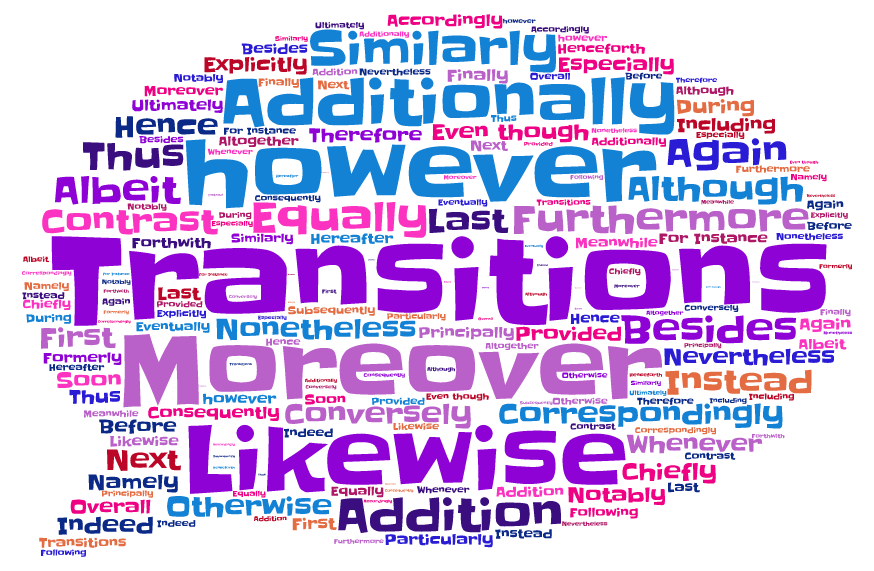
There are many aspects on how to make a good structured speech and adding good transitions enhances your speech. Transitions is defined as “connecting elements that cue listeners that you are finished making one point and are moving on to the next (Turner, Osborn, Osborn, & Osborn, 2018).” Transitions could be both verbal and nonverbal. A example of transitions when you want to contrast between two point could be words like “however”, “on the other side”, and “the opposing side”. Transitions allow your speech to run smoothly so the audience wont get lost when you are moving on.

Turner, K. J., Osborn, R., Osborn, M., & Osborn, S. (2018). Public speaking: Finding your voice. Hoboken, NJ: Pearson.

Picture: https://www.kibin.com/essay-writing-blog/97-transition-words-essays-need-know/

Chapter 8: Supporting Your Ideas

Paraphrasing is something we all do when trying to turn something into our own words, but still keeping the overall content of the authors quote. Paraphrasing is defined as “rephrasing or summarizing the words of others to support a point (Turner, Osborn, Osborn, & Osborn, 2018).” A example of paraphrase is to simply just restate what the author has said but in your own words. For example “Paul has a lot of garbage he has to get rid of in his room”, the paraphrased sentence could be “Paul has to throw away a lot of junk”. This way you are keeping the main points, but you added your own words to it.

Turner, K. J., Osborn, R., Osborn, M., & Osborn, S. (2018). Public speaking: Finding your voice. Hoboken, NJ: Pearson.

Picture: https://study.com/academy/lesson/paraphrasing-without-plagiarism.html

Chapter 7: Building Responsible Knowledge

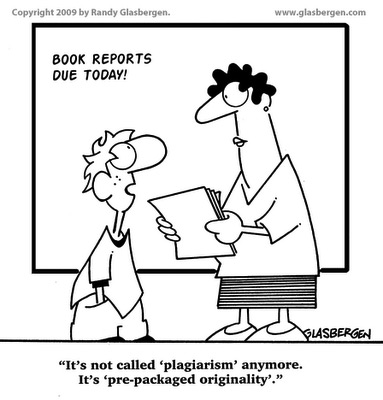
Plagiarism is something we all try to avoid when we write anything, we try to quote and paraphrase as best as possible. Sometimes people find it difficult to avoid plagiarism and they often plagiarize by accident or without knowing it. Accidental plagiarism is defined as “various forms of unintentional academic dishonesty due to sloppy research techniques (Turner, Osborn, Osborn, & Osborn, 2018).” One example of accidental plagiarism is not knowing who said what you are trying to quote and quoting the wrong author, you are not giving credit to who it it due to. You can avoid doing this by going back and reviewing what you are quoting and who said it to make sure you are accurate.

Picture: http://www.plagiarismchecker.net/plagiarism-what-is-it-and-how-you-can-avoid-it.php

Turner, K. J., Osborn, R., Osborn, M., & Osborn, S. (2018). Public speaking: Finding your voice. Hoboken, NJ: Pearson.